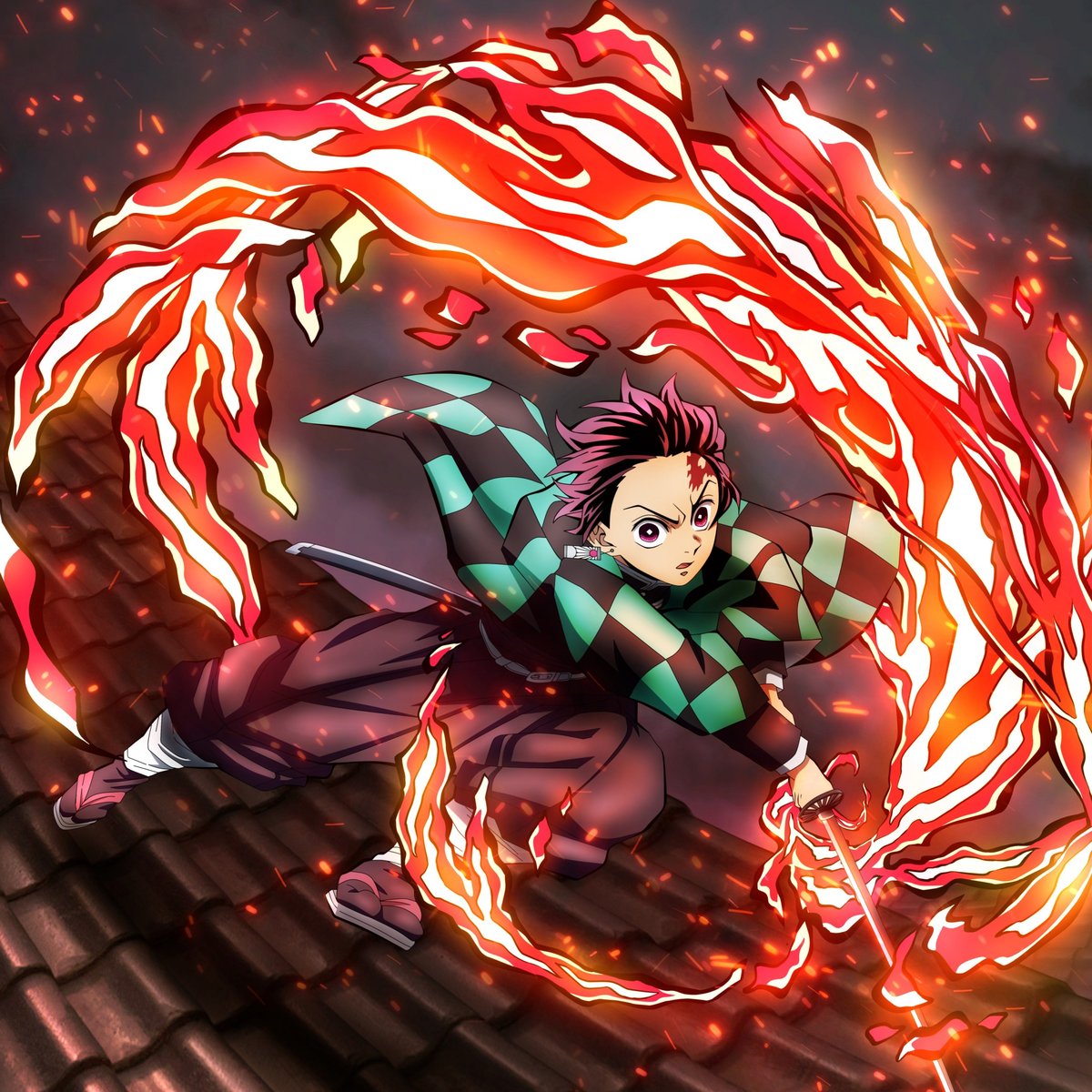
Welcome to the ultimate hub for one of the most intriguing and widely debated fan theories swirling around the anime world: the hypothetical presence of Tanjiro Kamado within the dramatic universe of Oshi no Ko. While canonically, these two incredible series exist in separate realms, the creativity of fans knows no bounds, often imagining crossovers and alternate realities that enrich our engagement with beloved characters. This flagship super pillar article will explore why this particular theory has captivated audiences, delving into the thematic parallels, character archetypes, and narrative "what ifs" that fuel its popularity.
The world of Oshi no Ko itself, penned by the brilliant Aka Akasaka, is a masterclass in dissecting the dark underbelly of the entertainment industry, weaving a tale of reincarnation, revenge, and the arduous pursuit of truth. Its recent manga conclusion, wrapping up 11 story arcs across 16 volumes, left many fans with strong opinions, particularly regarding the fates of its central protagonists. It's against this backdrop of complex narrative and intense character journeys that the idea of a hero like Tanjiro, known for his unwavering moral compass and empathetic nature, sparks fascinating discussions.
Understanding the Controversial Climax of Oshi no Ko
Before we dive into the fan theory, it’s essential to grasp the intricate and often heart-wrenching conclusion of Oshi no Ko that set the stage for much fan speculation. The manga culminates with the highly anticipated biopic, "The 15 Year Lie," bringing Aqua Hoshino face-to-face with his ultimate target: Hikaru Kamiki, the man responsible for his mother Ai's murder. Aqua, driven by a consuming desire for vengeance, confronted Hikaru, leading to a shocking confession from the killer, partly softened by a DVD revealing Ai's genuine affection for him. Simultaneously, a distraught Nino, also seeking vengeance for Ai, attempts to harm Ruby, only to be thwarted by Akane Kurokawa's quick thinking and protective actions. Nino's capture then exposed the true extent of Hikaru's manipulative reign of terror across the entertainment industry.
The climax saw Aqua, in a desperate move to shield Ruby from future harm, engage in a fatal confrontation with Hikaru. Aqua tragically sacrificed himself, taking Hikaru down with him into the depths of the ocean. In a dying vision, Aqua, as Gorou, witnessed Sarina (Ruby’s past life) recover and become a successful idol, symbolizing a brighter, untainted future for Ruby. The aftermath brought immense grief, with Ruby isolating herself before eventually embracing her destiny as a successful idol, embodying her brother's spirit and her mother's pure joy. She, alongside Mem-Cho and a new member, fulfilled Ai's dream of performing at Tokyo Dome. For a deeper dive into the specific events and their impact, you’ll find a comprehensive analysis within our guide on . This ending, while impactful, left many yearning for different resolutions, especially for Aqua, sparking a wave of "what if" scenarios among fans.
Why Fans Imagine Tanjiro Kamado in Oshi no Ko's World
So, why Tanjiro? The fan theory isn't about a literal crossover but rather an exploration of how a character with might navigate or even alter the dark trajectory of Oshi no Ko. Fans are often drawn to character archetypes, finding intriguing parallels or stark contrasts between protagonists from different series. Tanjiro, from Demon Slayer, is a paragon of selflessness, unwavering resolve, and profound compassion, even towards his enemies. These traits offer a compelling counterpoint to the often morally ambiguous and revenge-driven actions of Oshi no Ko's Aqua.
The theory frequently posits Tanjiro as a moral anchor or an alternative path. Imagine if someone with Tanjiro's ability to "smell" emotions and discern intent, coupled with his deep commitment to protecting family, were present in the world of entertainment where deception reigns supreme. This speculative lens allows fans to explore alternative outcomes for characters like Aqua and Ruby, considering how Tanjiro's unwavering optimism and capacity for forgiveness might influence their journeys of vengeance and grief. If you're curious about the broader phenomenon of such imaginative crossovers, our discussion on offers fascinating insights.
Exploring the Hypothetical Impact: Tanjiro's Influence on Aqua and Ruby
The core of this fan theory lies in envisioning how Tanjiro’s presence could shift the narrative. Aqua Hoshino's story is defined by his relentless pursuit of vengeance for Ai, often pushing him to morally dubious extremes. Our comprehensive guide detailing illustrates just how deeply entrenched he was in this destructive cycle. Had a character like Tanjiro been by his side, would Aqua have found a different way to seek justice? Tanjiro's unique blend of strength and compassion, even for demons, suggests he might have tried to guide Aqua away from self-destruction, perhaps helping him find closure without succumbing to the darkness of revenge.
Similarly, Ruby Hoshino's arc, as explored in , sees her initially follow Aqua down a similar path of vengeance before finding her true calling as an idol. Tanjiro, known for his strong sibling bond with Nezuko, could have offered Ruby unparalleled emotional support and a steadfast presence, helping her navigate her grief and trauma more directly, perhaps even tempering her own initial desires for retribution. The contrast in their approaches highlights , inviting us to consider diverse forms of heroism and healing.
The Broader Appeal of Fan Theories and Narrative Reinvention
The "Tanjiro Kamado in Oshi no Ko" fan theory is a testament to the vibrant and interactive nature of modern anime fandom. It's a prime example of how readers and viewers don't just consume stories; they actively engage with them, dissecting characters, re-imagining plot points, and creating entirely new narratives through speculation. This particular theory thrives because it juxtaposes two vastly different narrative tones – the earnest heroism of Demon Slayer against the cynical realism of Oshi no Ko – forcing us to reconsider themes of justice, family, and the cost of ambition.
Ultimately, these theories offer a creative outlet, allowing fans to grapple with endings they found difficult or to simply enjoy the thought experiment of combining beloved elements. It speaks volumes about that his work inspires such deep engagement and reinterpretation.
While there's no official crossover, the conversation around Tanjiro Kamado's theoretical role in Oshi no Ko illuminates the rich, complex narratives of both series and underscores the boundless imagination of their dedicated fan bases. As storytelling continues to evolve, so too will the ways in which audiences interact with and reshape the tales they love, ensuring that the discussion around beloved characters and their potential fates remains as captivating as the stories themselves.